Natural Beekeeping in Langstroths

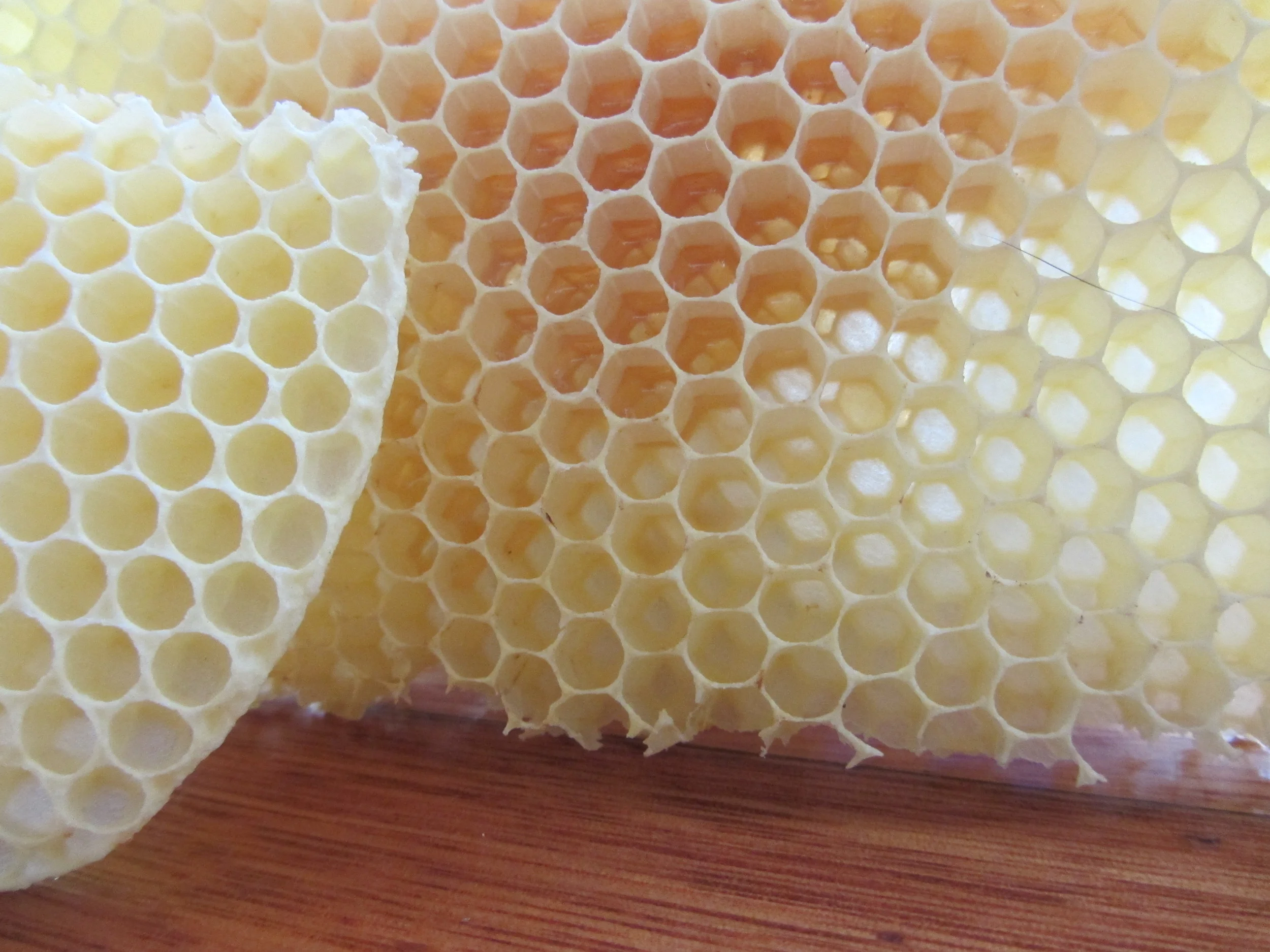
Natural comb often drawing drone comb first

Natural comb often drawing drone comb first

How do I practice Natural Beekeeping in Langstroths?

It is certainly possible to apply natural principles to this hive. Natural Beekeeping for me is about providing the best environment for bees to behave naturally and be in a healthy state to resist disease with no intervention. Its the ideal, I know, however there is much we can do in small ways that will contribute to reversing the decline in our bees.

Bees have highly attuned senses that can be disrupted by many things - chemicals, pesticides, fertilisers, fermentation (poorly managed compost heaps) and the disturbances of beekeepers.  They are complex organisms with over 8000 microrganisms that assist them in their survival. As well, they become highly intergrated with their environment. Over a year they learn landmarks, the location of resins for propolis, flora species and water, and these are continually communicated in the colony and kept as an organisational memory.

To this end I avoid all strong smelling substances, treatment and synthetic substances especially paint, boiled linseed oil, glues, sugar syrups, essential oils, organic acids, and plastics. These substances impact on communication, immunity, navigation and many other areas of bee behaviour and productivity. Glues are quite unnecessary. If boxes are well screwed or nailed they will hold the joint as well as glue and the bees will glue up any gaps with propolis. Many synthetic glues have formaldehyde in them so are very toxic to bees. Frames are better left unglued making it easy to replace a failed part. 'Super-strong' frames are only needed where extractors are used or in commercial apiaries.

And plastic frames outgas the same as paint. Even food grade plastics outgas so these toxins enter the honey and wax, and then contaminate the bees and us. Where possible I keep all plastics out of hives and avoid all forms of polystyrenes and soft plastics which outgas faster. Hives are hot places so the toxins increase in the warmer conditions. I no longer paint the inside of boxes and only paint the outside where I am using radiata pine as it is such a poor timber for outdoor conditions. Where I have used paint on the outside I like them to harden up for two months before using them. Never use treated timber in hives.

Where possible I am now avoiding wire and foundation. Stainless steel wire often puts the bees off from laying larvae along the wire and latest research is showing a higher iron level in larvae close to the wire.  Increasingly I am using side pins to hold foundation where I use it. This keeps the metals well away from the brood area.

Langstroths are a hive that need management, so when we introduce foundationless, unwired frames, I often do so between already drawn frames. This helps keep the comb from heading in all sorts of odd directions. As these foundationless frames are filled, I then replace the old drawn frames with foundationless and the other frames act as a guide. Care is needed with fresh drawn wireless frames as they are soft and can break off easily if held sideways rather than standing upright however there is a knack to this that will come with care.

Often in Tasmania a vinyl inner cover is used to keep the moisture off the combs and reduce burr comb buildup in the lid. Where possible I use either canvas or a thin wood cover for this. Increasingly I am using a quilting system instead of the inner cover. The quilting system is borrowed from the warre hive design and is excellent for reducing moisture build up in hives as it traps it all in the shredded paper or wood shavings in the top.

If all this is too much trouble then the warre hive is a great solution!

Happy beeking!


Building a Nucleus Colony

Nucleus Hive for queening

Nucleus Hive for queening

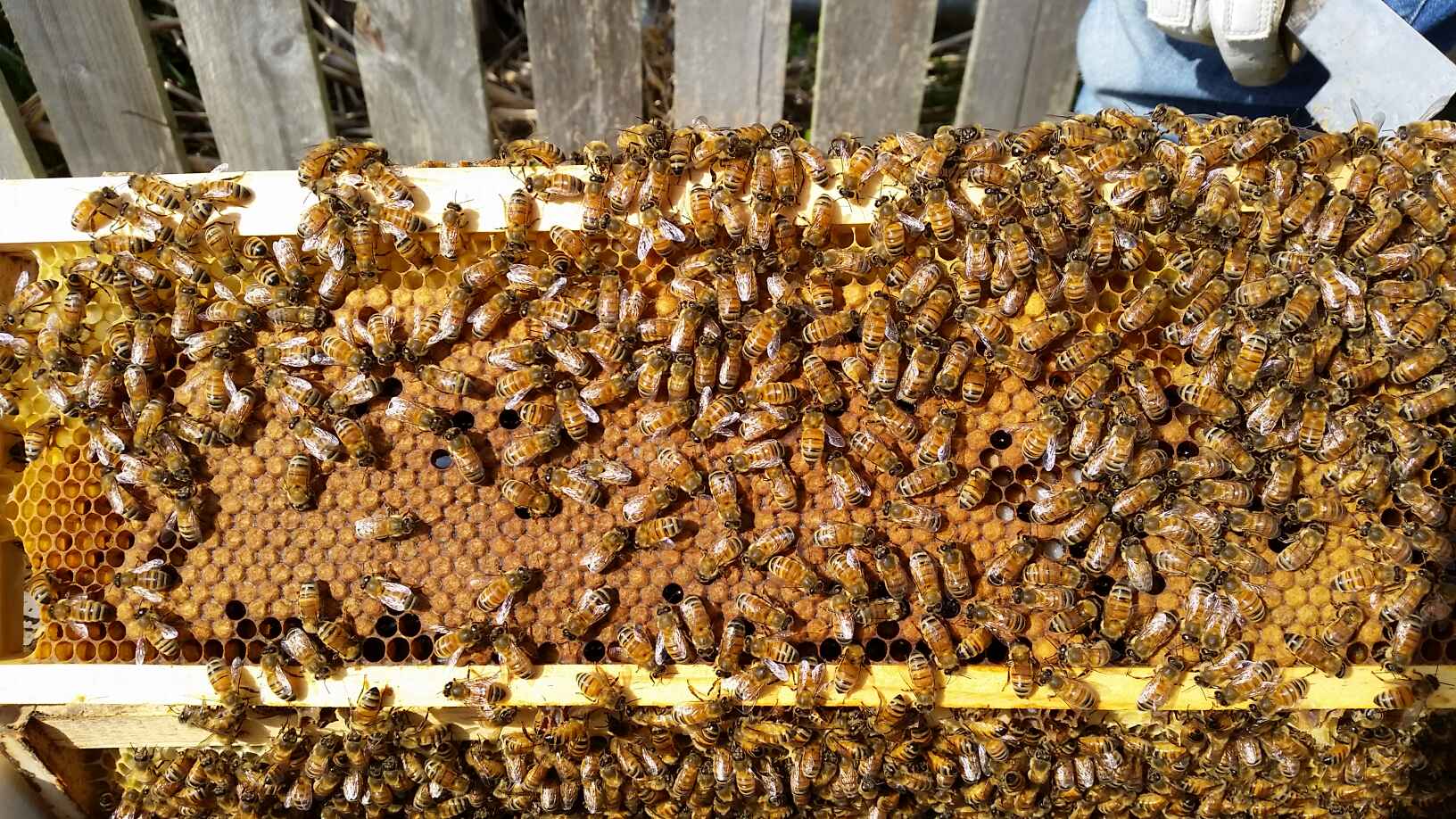
Many of our new beginner beekeepers have now taken home a nucleus colony (nuc) in an eight frame langstroth box and a few questions have come my way.

Of most interest is the timing of adding new boxes and watching food supply. The most difficult time of the year (November in our cool Tasmanian climate) has now past and it is December. The colonies have been expanding quickly, maximising the brood growth to ensure they have large numbers of bees for pollen, resin and nectar collection. It is during November we have increasing numbers of hungry brood and a slight slow-down in flowering species. Our spring flowering has been mixed however Tasmania as usual has had pollen in abundance from July onwards. The summer nectar from our large trees and bush supplies is still reaching its peak and remains patchy. The blue gums have been flowering in a most sporadic fashion.

As well, a new colony is busy drawing out comb for the expanding brood and honey flow. It takes very large amounts of nectar/honey to produce this comb.

This is why most beeks do not take honey during November.

As your colony draws out the last outside frames, it is time to add another box. To encourage the bees to fill the second box, pull the two middle frames of honey into the new box and place the two new frames into the bottom box. This assists the bees to expand into the new combs quickly and create a larger area for them to lay eggs.  It also assist them in not becoming honey-bound which would slow their brood expansion.

It is common after adding a new box to see previous honey (capped or uncapped) disappear at this time. You think they have been doing so well and then they appear to be going backwards. This is temporary as they are using it to draw new comb and providing they have visible nectar, they are doing well.

Try not to support the colony with sugar syrup as this should only be used in emergencies. Sugar syrup changes the pH of the hive inviting disease, it changes the natural pathogens in the bees and interferes with the quality of honey production. If we want good quality honey, then do not harvest or eat honey made from sugar syrup.

This is a watch and see time. Most of you have your boxes at two or three high now and it is most important to encourage the bees to build the best stores possible for their first winter. It is recommended to take no honey harvest in the first year, to enable a healthy, booming colony for your next summer.

Happy beeking


Getting Started

Some years ago I learnt beekeeping with Langstroth hives in our cool Tasmanian climate. I loved the experience. The world of bees is incredible. The course was run by a beekeeping association with vast experience in commercial beekeeping. Ninety percent of us were interested in small back yard hives. Thankfully some of our tutors were master beekeepers who loved their bees and treated them with respect and care.  And while many old practices are largely gone, there was still an emphasis on hive manangement, the use of chemicals and the use of plastics in hives with no comment on how these practices impacts on the colony. 

Fortunately the world was awakening to a new era of beekeeping which is tranforming the values and principles we bring to our role as guardians. The internet brought an explosion of new hives and new science to the art.  My keen interest in eating naturally grown foods and avoiding pesticides and plastics (sometimes referred to as the new asbestos) has now been able to merge into my beekeeping.

I want to keep our bees alive and healthy... our future, our health, our happiness is intimately related to our pollinators.

And the extra bonus is they are the most fascinating and amazing social organisation and we can learn much from them.

We now have quite a number of people in Tasmania pursuing natural beekeeping practices and this 'b blog' will be my avenue to share my experiences, promote the values and principles of natural beekeeping and encourage others in their interest in bees.